

Right Resin, Right Order: A Two-Step Polishing Strategy for Bispecific Antibodies
Oct. 08, 2026 | 8:00 am PDT, 11:00 am EDT, 17:00 CEST
In Thursday's GEN webinar, our expert speaker, Emily Gaither, will present a systematic path from high-throughput resin screening to the selection and sequencing of two polishing steps, using emicizumab, an asymmetric IgG4 bsAb as a case study.

The Next Wave of ADC Innovation: The Science Behind Dual-Payload Bioconjugates
Oct. 09, 2026 | 8:00 am PDT, 11:00 am EDT, 17:00 CEST
In this GEN webinar, our expert speaker, Cindy Cheng, PhD, will explore how mechanism-driven payload pairing counters specific resistance pathways by combining orthogonal or complementary mechanisms.
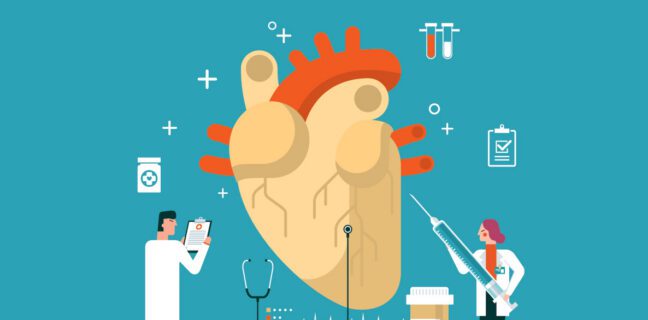
Advancing Cell Therapy for Cardiovascular Disease
Oct. 15, 2026 | 8:00 am PDT, 11:00 am EDT, 17:00 CEST
In this GEN webinar, our expert speaker Joshua Michael Hare, MD, will examine how therapeutically relevant research is helping shape the development of cell therapies for cardiovascular disease.
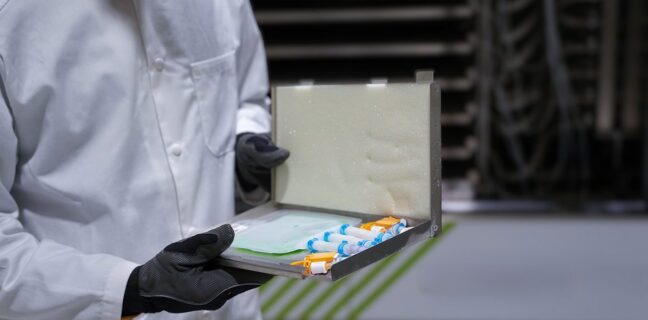
Emerging Trends in Fluid Transfers and Freeze-Thaw Workflows
Oct. 20, 2026 | 8:00 am PDT, 11:00 am EDT, 17:00 CEST
In this GEN webinar, our expert speakers will discuss the latest trends, challenges, and innovations shaping fluid transfer and freeze-thaw workflows.
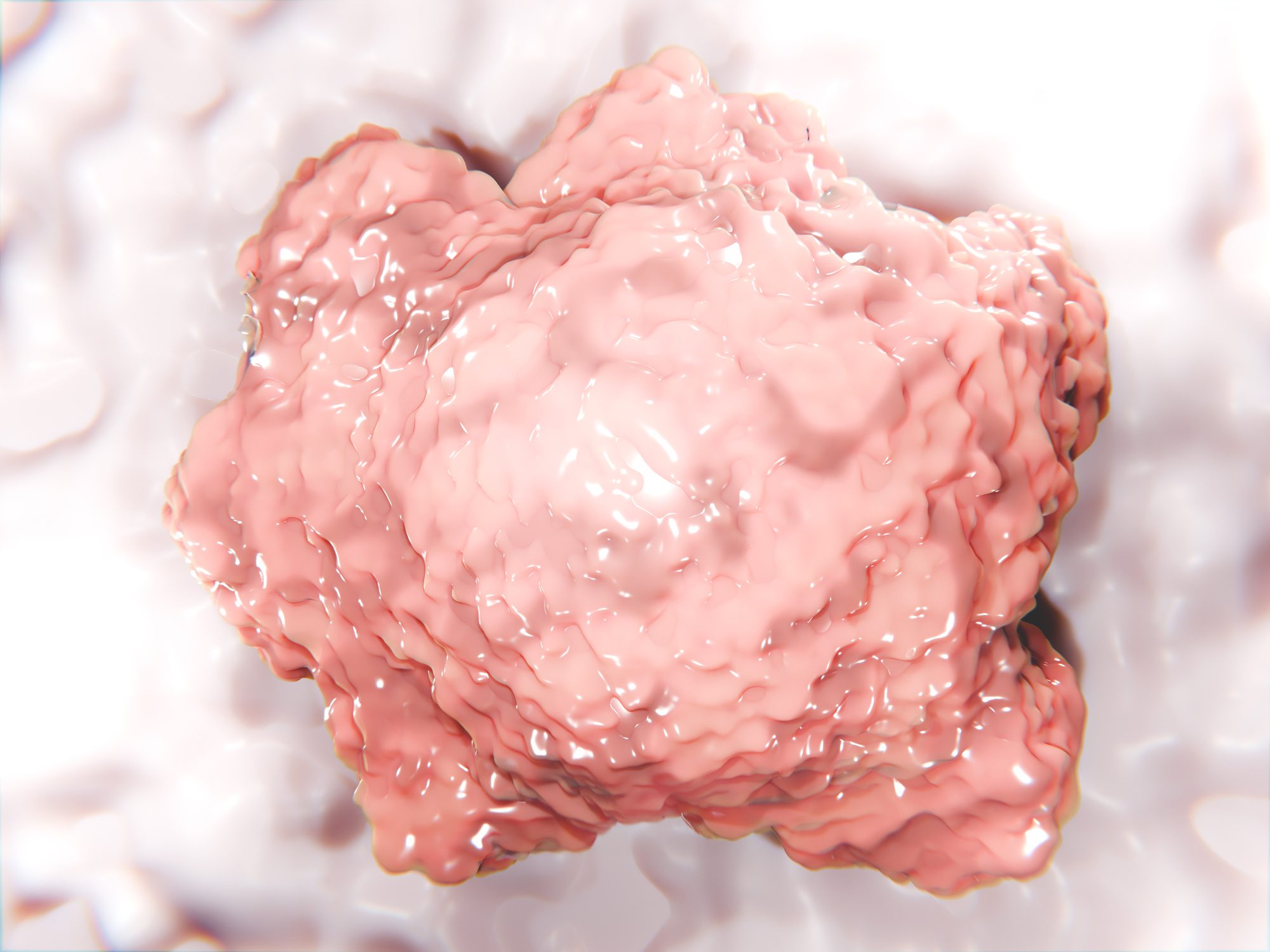
Advancing Brain Organoids from Research Models to Scalable Platforms
Oct. 22, 2026 | 8:00 am PDT, 11:00 am EDT, 17:00 CEST
In this GEN webinar, our expert panelists will discuss some of the scientific and practical barriers that are facing brain organoid research and strategies for improving organoid-to-organoid and experiment-to-experiment consistency.