
For decades, drug discovery has revolved around a familiar challenge: finding ways to modulate proteins that drive disease. Small molecules and biologics have transformed medicine, yet vast portions of the human genome remain stubbornly out of reach. Many disease-causing targets are considered undruggable, leaving researchers with few options for intervention, but oligonucleotide therapeutics are changing that equation.
Built from short, synthetic strands of DNA or RNA, oligonucleotides offer a fundamentally different way to influence disease biology. Rather than targeting proteins after they are produced, these molecules act upstream, engaging RNA and gene-regulatory pathways to alter protein expression with remarkable precision and duration. Their growing success has transformed them from a niche modality into one of the most promising frontiers in therapeutic discovery.
Today, advances in artificial intelligence (AI), multiomics analysis, human genetics, and disease modeling are accelerating the identification of new oligonucleotide targets. Across neurodegeneration, fibrosis, metabolic disease, and rare genetic disorders, companies are using these technologies to uncover biological mechanisms that were previously hidden. The result is a rapidly expanding therapeutic landscape where researchers are no longer limited by conventional notions of druggability.
A new class of precision medicines
Oligonucleotides are engineered sequences of nucleic acids, typically ranging from 10 to 50 nucleotides in length. Because they can be designed to recognize specific genetic sequences, they provide highly selective control over biological processes. Chemical modifications give sustained effects with patients receiving maintenance doses every three to 12 months.
As explained by Evotec: “Unlike gene therapy, oligonucleotide drugs targeting RNA, such as small interfering RNA (siRNA) and antisense oligonucleotides (ASOs) have a transient effect in the body, and do not permanently modify the patients’ genome. Sequence-based targeting of RNA uses synthetically produced, matching stretches of oligonucleotides to bind with exquisite precision to a specific RNA target, causing subsequent changes in protein expression, either by altering splicing of the immature RNA or causing rapid turnover of that RNA before a protein can be made.” This temporary and programmable nature has made oligonucleotides an attractive therapeutic platform.
The field has expanded far beyond simple gene silencing. Modern oligonucleotide approaches can redirect RNA splicing, edit RNA transcripts, enhance protein expression, block RNA-binding proteins, and even target proteins directly through aptamers, which are structured nucleic acid molecules capable of binding proteins with antibody-like affinity.
Overall, oligonucleotides are increasingly viewed not merely as another therapeutic modality, but as a platform capable of unlocking entirely new classes of targets.
Guiding drug discovery with microRNA
One area generating significant excitement involves microRNAs, which David Salzman, PhD, CEO of Gatehouse Bio, describes as “master regulators of biological pathways.” Rather than targeting a single gene, a microRNA can control entire biological programs, including cellular stress responses, inflammation, fibrosis, and protein production. Because these pathways are often disrupted across multiple diseases, microRNAs offer an opportunity to intervene at key regulatory nodes, particularly in central nervous system (CNS) disorders where distinct diseases frequently share underlying mechanisms.
Beyond their regulatory functions, microRNAs offer another advantage as druggable targets, Salzman explained. “They have dual roles as both biomarkers and drug targets.”
Researchers can inhibit harmful microRNAs using ASOs or restore beneficial microRNAs with synthetic mimetics, creating a direct bridge between diagnosis and therapeutic intervention.
AI has become a powerful tool for identifying clinically relevant oligonucleotide targets. While much of the industry focuses on molecule design, Gatehouse Bio uses AI to identify patient subgroups most likely to respond to specific therapies. “Even the best AI-designed molecules will fail if they’re tested in the wrong patient population. We use microRNAs to tell us which patients to treat and also how to treat them.” Salzman says.
The approach reflects growing recognition that many diseases are more heterogeneous than clinical diagnoses suggest. In neurodegenerative diseases such as Alzheimer’s, Parkinson’s, and vascular dementia, patients with similar symptoms might have different molecular drivers. By analyzing thousands of microRNA measurements alongside clinical outcomes, pathology, imaging, and other molecular datasets, AI can uncover patterns that traditional methods often miss.
“Ultimately, our goal is not simply to identify biomarkers,” Salzman said. “We use AI to connect microRNAs to disease biology, patient subgroups, and therapeutic opportunities.” The strategy moves researchers beyond correlation and toward causal, mechanistic understandings, a crucial step in validating therapeutic targets.
Multiomics and biomarkers
Although AI can identify disease-associated signals, determining whether those signals drive disease requires additional biological context. This is where multiomics approaches have become indispensable.
By integrating microRNA sequencing with transcriptomics, proteomics, genomics, pathology information, and clinical-outcome data, researchers can reconstruct disease networks. If a microRNA appears altered in patients with a specific outcome or pathology, investigators can assess whether related genes and proteins change in a coordinated manner. This helps distinguish passengers from drivers when prioritizing therapeutic targets.
“The power of multiomics is that it allows us to connect microRNAs to disease biology, patient subgroups, and therapeutic opportunities with much greater confidence than any single data type alone,” Salzman noted.
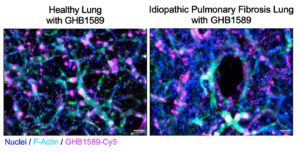
Gatehouse Bio’s fibrosis program illustrates how oligonucleotide discovery combines AI, multiomics, patient stratification, and experimental validation. In fibrotic tissues and blood samples from patients with idiopathic pulmonary fibrosis, the company identified reduced levels of a microRNA called miR-92.
Initially, the finding appeared to be only a biomarker. However, integrated analyses revealed something more significant. Reduced miR-92 activity mapped to fibrosis-related pathways involving TGF-beta signaling, WNT signaling, extracellular matrix remodeling, and integrin biology. Patients with lower circulating miR-92 levels experienced worse outcomes, and experiments showed that reducing miR-92 activity worsened fibrosis, whereas restoring it produced anti-fibrotic effects. The result was GHB1589, an miR-92 mimetic.
For Gatehouse Bio, the program represents a blueprint for target discovery: identify disease-associated RNA signatures, connect them to biological mechanisms, stratify patients, validate causality, and translate the findings into therapeutics.
Recreating disease in human neurons
Another major challenge in oligonucleotide discovery involves generating disease models that accurately reflect human pathology. AcuraStem has addressed this problem by using patient-derived induced pluripotent stem cells (iPSCs) that are directly converted into induced motor neurons. Unlike many traditional laboratory models, these neurons preserve aging characteristics and disease-specific pathology from the original donor.
According to AcuraStem’s CEO Sam Alworth these patient-derived models have been instrumental in uncovering novel therapeutic targets. “AcuraStem uses transcription factor-mediated lineage conversion to reprogram patient-derived iPSCs into induced motor neurons that retain the aging and pathological markers of the donor,” Alworth explained. The company’s iNeuroRx platform integrates these disease models with ASO design, screening, and pharmacology tools, creating a comprehensive discovery engine.
AcuraStem’s work centers on TDP-43, a protein whose dysfunction is implicated in the majority of amyotrophic lateral sclerosis (ALS) cases and several forms of dementia. “TDP-43 pathology is a crucial contributor to neurodegeneration,” said Marcel van der Brug, PhD, AcuraStem’s CSO. Normally, TDP-43 regulates RNA processing. In disease, however, it becomes depleted from the nucleus, leading to widespread RNA dysregulation and altered gene expression.
AcuraStem’s disease models reproduce TDP-43 pathology without requiring artificial stressors or genetic manipulation—a capability the company believes is unique. This platform has enabled the discovery of several therapeutic targets, including the gene SYF2, which appears capable of restoring TDP-43 localization and function.
The work highlights a broader trend within oligonucleotide discovery: targeting upstream molecular mechanisms rather than downstream symptoms. “RNA dysregulation, as a direct and measurable consequence of TDP-43 dysfunction, is a target that can be modulated by technologies such as antisense oligonucleotides,” Alworth said.
An expanding oligonucleotide toolbox
While some companies begin with disease biology, others start with genetics. Aperture Therapeutics, for example, is building its discovery strategy around naturally occurring protective human genetic variants. The company’s platform analyzes large-scale genomic and clinical datasets to identify resilience mechanisms that protect individuals from neurodegenerative disease. These insights are then translated into oligonucleotide strategies, including gene-expression modulation and splice-switching approaches. By focusing on genetically validated targets, Aperture aims to reduce development risk and improve the probability of clinical success. The strategy reflects a growing industry consensus: human genetics provides one of the strongest forms of biological validation available.
The oligonucleotide field is also expanding beyond traditional antisense and RNA interference approaches. As an example, Opprtna Therapeutics is developing aptamer-based therapeutics for CNS diseases. Unlike many aptamers that primarily serve delivery functions, the company is designing molecules that directly influence disease biology. Using structured DNA molecules capable of binding proteins associated with RNA and DNA regulation, Opprtna hopes to target pathways that have traditionally been inaccessible to conventional drug modalities. The approach underscores how oligonucleotide chemistry itself continues to evolve, creating entirely new therapeutic opportunities.
Meanwhile, Riboway Therapeutics is pursuing RNA-targeting technologies capable of increasing, decreasing, activating, or inhibiting protein expression depending on the therapeutic need. The company’s AI-driven platform focuses on decoding RNA regulation to identify previously inaccessible intervention points.
In many ways, oligonucleotides are redefining what drug discovery can be. Rather than asking whether a target is druggable, researchers are increasingly asking how RNA biology can be leveraged to reach it. That shift may ultimately prove to be one of the most important developments in modern therapeutics.