
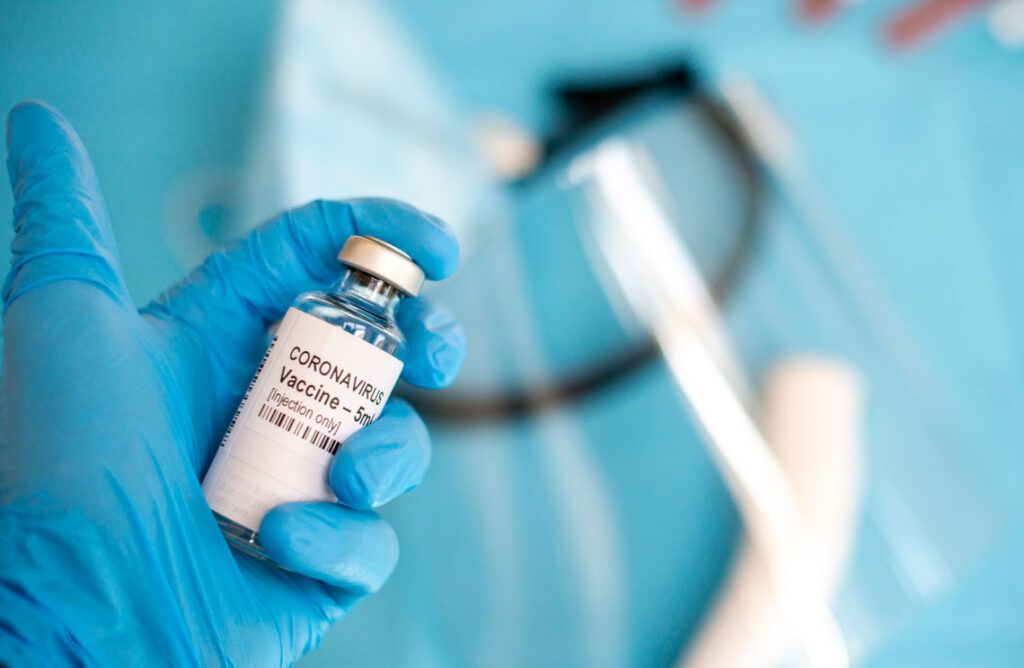
The technology underpinning RNA vaccines1 and therapeutics2 has been around for decades. However, until recently, only a handful of products were on the market.
Everything changed in 2020 when mRNA vaccines proved3 to be effective against SARS-CoV-2, the virus that causes COVID-19. In the years since, many more RNA products entered the clinic as developers recognized both their therapeutic and commercial potential.
The pandemic also kick-started efforts to optimize RNA manufacturing that will likely shape the sector for decades to come, according to David Sokolowski, global workflow manager for nucleic acid therapeutics at Cytiva.
“The COVID vaccines heralded the rapid industrialization of RNA and LNP [lipid nanoparticle] technologies, and due to the nature of a pandemic, large amounts of vaccine safety data were generated. However, it remains a nascent industry with limited applications commercially available, and this space is where developers are rushing to build.
“Manufacturing good quality RNA and LNP became easier with the proliferation of high-quality reports from successful studies, trials, and campaigns occurring all over the world.
“Now, we’re supporting the development of therapeutics with even grander aspirations and increasingly exotic biology—whether they are encoding and producing mAb via RNA, or enabling next-generation in vivo cell therapy, LNP-mediated therapeutics have no shortage of potential advances ahead,” he continued.
Manufacturability
The key to developing any RNA-based product—be it a vaccine or a therapeutic—is to ensure it can be produced in bulk in a cost-effective and efficient manner, says Luis Avila, PhD, a scientist at services firm Novoprotein Scientific.
“RNA design fundamentally determines both manufacturability and biological performance, but optimizing for one often comes at the expense of the other.” The best approach is to design for manufacturability from the start,” he says, adding “the right template architecture can contribute with optimized promoter design, transcription initiation sequences, encoded polyA tails, transcript boundaries, and sequence composition to improve IVT [in vitro transcription] performance while minimizing problematic secondary structures.”
“Combined with other factors, such as engineered RNA polymerases, optimized reaction chemistries and advanced capping technologies, these design strategies will improve RNA yield, integrity, and translational performance all while reducing the generation of dsRNA,” he tells GEN.
The type of RNA being made should be the key consideration in any assessment of manufacturability, according to Avila, who cites the differences between messenger RNA and self-amplifying RNA to illustrate the point.
“For mRNA, coding-sequence composition, transcript length, GC content, and secondary structure strongly influence IVT efficiency. Whereas optimized UTRs [untranslated regions], cap structures, and poly(A) tails primarily govern RNA stability and translational efficiency.
“For saRNA, the incorporation of the large alphavirus replicase cassette substantially increases transcript length and structural complexity, thus making IVT more challenging while enabling intracellular RNA amplification that dramatically lowers the therapeutic dose required,” he says.
Producing circular RNA—a covalently closed-loop structure that is stable and resistant to exonuclease degradation—can be even harder, according to Avila.
“circRNA presents an even greater manufacturing challenge because linear IVT is followed by an additional circularization step whose efficiency remains a major bottleneck. Following circularization, translation relies on efficient cap-independent initiation through optimized IRES [internal ribosome entry site] elements and RNA architecture.”
Characterization
So, designing an RNA therapeutic or vaccine with manufacturing in mind is critical. However, the ability to realize that optimized blueprint on the factory floor is entirely dependent on being able to characterize the product in real-time, as it is being made.
And, unfortunately for the industry, RNA characterization is a complex challenge, says Matthew Ranaghan, PhD, applications scientist at analysis technology firm Refeyn.

“Thorough Characterization of RNA is critical to ensuring the safety, stability, and efficacy of next-generation RNA therapeutics, yet it remains a significant analytical bottleneck.”
“Current methods are limited to various types of chromatography, which struggle with poor resolution for large RNAs, or mass spectrometry, which requires digesting samples into smaller oligos with RNases. While both have advantages, they demand extensive and time-consuming method development.”
Traditional RNA analysis usually consists of separate assays looking at specific characteristics. For example, size exclusion chromatography is used to assess aggregation while enzyme-linked immunosorbent assays are used to check for trace amounts of double-stranded RNA.
One promising alternative is mass photometry (MP), a technique that can analyze RNA molecules within minutes based on only nanograms of material within minutes in a single experiment. There are multiple potential advantages according to Ranaghan.
“A single readout replaces the need for multiple instruments, drastically reducing hands-on time, reagent costs, and the need for extensive method development across different platforms. A single readout also enables at-line process monitoring, allowing for immediate go/no-go decisions during bioprocessing and purification.”
“We envision the faster speed and higher resolution of MP to enable its use as a multi-attribute tool for at-line assessment of the various critical quality attributes (CQAs) of RNA therapeutics,” he says.
“We have already demonstrated how MP can rapidly assess integrity, fragments, multimer, and purity in a single measurement. We are also actively building out more applications,” Ranaghan adds.
Commercial concerns
Manufacturers of RNA products also need to develop commercialization plans as early as possible—in parallel with process development—to ensure they reach the patients who need them and garner the revenues needed to fund future research.

Vice President
Parexel International
And, for some firms, developing such plans can be a steep learning curve, says Rajiv Gangurde, PhD, vice president of chemistry, manufacturing, and controls (CMC) for cell and gene therapies at contract research organization Parexel International.
“Like many newer modalities, RNA-based therapies typically emerge out of academia or start-up biotech, and transitioning from academia to industry can be challenging due to differences in objectives, differences in expertise, fundraising, etc.”
“In addition, newer modalities require heavier than usual investment in CMC activities to establish proof-of-concept as well as manufacturability. There is heavy reliance on external partners, creating capability and capacity constraints.
“Most importantly,” Gangurde continued, “a phase-appropriate CMC strategy aimed at global approvals can significantly derisk development and help minimize costs and timelines.”
Yet preparing a CMC strategy that will win approval in multiple markets is no small undertaking, particularly, as Gangurde points out, because regulatory guidelines for RNA-based therapies are still evolving.
Another challenge is the lack of consistency. For instance, the U.S. Food and Drug Administration (FDA) and EU EMA use different definitions and guidelines for CMC.
Gangurde told us, “Harmonization of guidelines and expectations across the two agencies will be hugely beneficial to developers of RNA therapies. For example, while both agencies recognize potency/efficacy assessment as a critical quality attribute (CQA), there are some differences in method validation requirements, timing, and regulatory expectations across clinical phases.”
“While the FDA accepts real-world experience and surrogate endpoints, particularly for rare or life-threatening diseases, EMA requires more comprehensive clinical data and demonstration of long-term efficacy for approval. The EMA also mandates an appropriate degree of method validation at each stage of development, whereas the FDA does not expect validation of the potency assays during Phase I,” he added.
The product component designations used by regulatory agencies can also differ. For example, the lipid nanoparticle for the COVID-19 vaccine, Spikevax, consists of four lipids: SM-102, PEG2000-DMG, DSPC, and cholesterol.
The FDA designates each of these components as a “drug substance,” whereas the EMA designates them as “novel excipients”—each designation has differing data submission requirements.
Continuous process
In the future, RNA manufacturing methods are likely to keep improving, according to Novoprotein’s Avila, who says continuous production processes are likely to have a major impact.
“One of the most exciting developments is the emergence of continuous or flow-based IVT manufacturing. This has the potential to improve productivity, reduce costs, and enable more consistent large-scale RNA production through continuous enzyme utilization and process integration.”
“As equally transformative are advances in engineered low-dsRNA T7 RNA polymerases, improved co-transcriptional capping chemistries, and integrated continuous purification. All of which will enable improvements in RNA quality, simplify downstream processing, and accelerate GMP manufacturing,” he added.
This view is shared by Ranaghan from Refeyn, who cites the shift toward continuous flow manufacturing as one of the most exciting advances in the field.
“Moving away from traditional batch processing to a continuous flow model is highly logical because it minimizes the time that the fragile mRNA product spends exposed to active reaction components that drive fragmentation and aggregation. This shift not only improves overall yield and intactness, especially for massive transcripts like saRNA, but it also creates a mandate for faster, real-time analytics.”
For Parexel’s Gangurde, efforts to make production more efficient and sustainable will drive innovation, with the WHO’s recently launched mRNA Technology Transfer Programme Phase 2.04 being a case in point.
“This is a major global initiative aimed at scaling up commercially viable mRNA-based vaccine and therapeutic production in low- and middle-income countries—where the need for these therapies is most critical.”
Launched in 2021 in collaboration with the Medicines Patent Pool (MPP), the initiative has enabled 15 partners across Latin America, Africa, Eastern Europe, and Asia to receive foundational mRNA technology.
Phase 2.0 focuses on building local manufacturing capacity so countries can make mRNA vaccines and therapeutics for future outbreaks and diseases like influenza, TB, HIV, malaria, dengue, and leishmaniasis, as well as oncology drugs and mAbs.
Gangurde says, “By decentralizing production, the program reduces reliance on a few high-income countries for mRNA supply, supporting global access for mRNA-based therapies.”
References
- Beyrer C. The Long History of mRNA Vaccines. Johns Hopkins Bloomberg School of Public Health; 2021. Accessed August 12, 2026.
- Chatterjee S, Bhattacharya M, Lee SS, Chakraborty C. An insight of different classes of RNA-based therapeutic, nanodelivery and clinical status: Current landscape. Current Research in Biotechnology 2023;6:100150-100150. doi:10.1016/j.crbiot.2023.100150
- Parvin N, Mandal TK, Joo SW. The Impact of COVID-19 on RNA Therapeutics: A Surge in Lipid Nanoparticles and Alternative Delivery Systems, Systems. Pharmaceutics 2024; 16(11): 1366. Doi: 10.3390/pharmaceutics16111366
- World Health Organization: WHO. mRNA Technology Transfer Programme’s Phase 2.0 discussed with partners on the sidelines of G20 Summit. Who. June 13, 2025. Accessed August 12, 2026.