
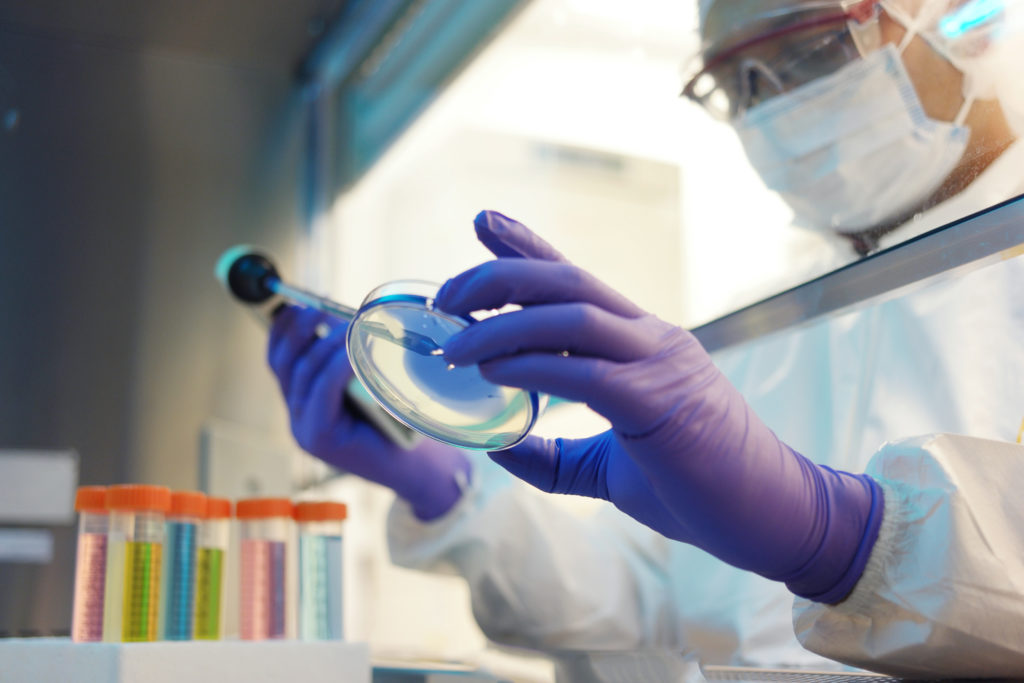
Cell therapy manufacturers approach autologous therapy manufacturing in multiple ways, with point-of-care manufacturing, academic projects embedded within major medical centers, and centralized manufacturing facilities operated by established biopharmaceutical companies.
For these therapies, the patient is an integral part of the supply chain. That’s why so many therapies are developed by academic centers at or near the point of care. Although those projects may boast good manufacturing practice (GMP)-compliant facilities, “they may operate at a level that is different from industry standards for commercial therapeutics,” Jason Bock, PhD, CEO of CTMC, tells GEN.
The difference, Bock elaborates, is the rigor attached to therapeutic development and manufacturing. “None of those [academic] sites go through a pre-approval inspection, which is okay for early clinical stages.”
There are other differences, too. For example, quality control procedures, such as method validation and standardized testing, are not yet harmonized for academic medical center production of autologous CAR T cells, although France’s UNITC consortium is working toward that end. The situation is similar for tumor-infiltrating lymphocytes and other therapies.
Optimizing processes & integration
To address some of the issues facing autologous therapeutic manufacturers, last spring Sartorius discussed a fully automated, closed platform that promises to streamline production of autologous cell therapies. Outlined in a paper, it claims to reduce per-dose labor costs by 85%, reduce facility capital expenses by 50% for autologous therapy production, and increase throughput by 15-fold for a given footprint.
Incorporating such systems is an important way to streamline manufacturing. Processing can be further accelerated when accompanied by closely coordinated logistics—for each step from apheresis in the hospital through manufacturing at the GMP facility, culminating with infusion of the product back at the hospital, Bock says.
“Our philosophy is to build industrial-grade manufacturing that is connected to major clinical centers,” Bock says. That entails not only using efficient technology, but also using its working knowledge of the institutions’ own procedures to speed time from research, through IND-enabling studies, FDA interactions, and clinical studies.
For example, CTMC spun out of MD Anderson Cancer Center’s Therapeutic Discovery Division at the Texas Medical Center (TMC) in 2022 to form a joint venture between Resilience and MD Anderson. Located down the street from MD Anderson, CTMC is built upon a patient-adjacent model that integrates advanced cell therapy production directly alongside cancer centers. Earlier this year, CTMC partnered with Syenex to integrate that firm’s viral vector technology into its manufacturing processes to enhance gene delivery and manufacturing scalability. This approach, Bock elaborates, helps ensure commercial-level biopharmaceutical quality standards for therapeutics manufactured for academic center patients.
Tying advanced manufacturing to a clinic in this way is garnering a lot of interest, “but I wouldn’t say it’s a trend,” Bock admits. It is, however, a time-saver. “In our hands, cells don’t grow any faster,” but optimizing interactions and processes helps manufacturers reach their value inflection point sooner.