

Presenters

Xiao-Jun Ma, PhD
Chief Technology Officer
Alamar Biosciences

Michael J. Corley, PhD
Tenured Assoc. Professor of Medicine
University of California, San Diego
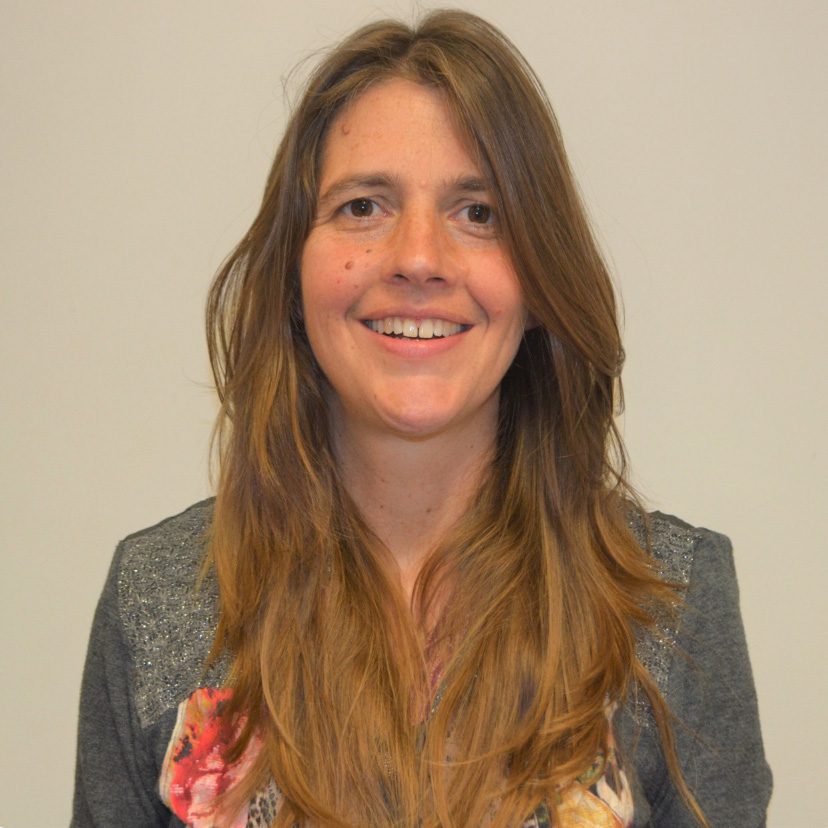
Claire Steves, PhD
Professor of Ageing and Health
Dept. Head, Twin Research and Genetic Epidemiology
Clinical Director, TwinsUK
King’s College London
- Time:
Geroscience proposes that slowing the biology of aging could delay many chronic diseases at once. Testing that idea requires biomarkers that are precise, reproducible, and responsive to intervention.
In this GEN webinar, three experts will explore how ultra-sensitive, multiplexed proteomics can measure biological aging, predict age-related health outcomes, and evaluate the effects of interventions designed to change it.
First, Xiao-Jun Ma, PhD (Alamar Biosciences) will present a data-driven proteomic module identified across three cohorts that tracks biological aging. He will show how a clock built from this module relates to mortality, cognition, and comorbidity burden, how it compares with DNA methylation clocks, and what it reveals about when proteomic aging accelerates.
Next, Michael Corley, PhD (UC San Diego) will explain why the aging field is limited less by ideas than by evidence, and how completed clinical trials with banked samples can be used to screen candidate interventions quickly. He will share proteomic and epigenetic findings from a randomized trial of semaglutide, including cardiometabolic and inflammatory protein changes during treatment and after the drug is stopped. He will also describe XPRIZE Healthspan, a global competition whose central biorepository will hold samples from 20 intervention trials.
Finally, Claire Steves, PhD (King’s College London) will share findings from the TwinsUK cohort, demonstrating how longitudinal proteomic measurements can help predict clinical aging and resilience. Drawing on years of data, she will explore how genetic and environmental factors influence protein levels over time and how inflammatory and neurological biomarkers may predict future frailty, physical function, and cognitive health.
Key takeaways include:
- How an intrinsic, unsupervised protein module can serve as a portable measure of biological aging
- Why evidence, not ideas, is the bottleneck in geroscience, and how completed trials can help close the gap
- How proteomic measurements capture intervention effects that epigenetic clocks may miss
- How longitudinal proteomics can predict clinical aging outcomes and reveal genetic and environmental influences on aging
- What large, harmonized trial biorepositories mean for biomarker discovery in aging research
A live Q&A session will follow the presentation offering you a chance to pose questions to our expert panelists.
Produced with support from:
