Genetic Engineering and Biotechnology News

ADC (antibody drug conjugate)(orange)

Strategies for Overcoming Resistance and Off-Target Toxicity in Next-Generation ADCs

Credit: Miyako Nakamura / iStock / Getty Images Plus

Panelists:

Image of Phil Clarke, PhD

Phil Clarke, PhD

Associate Director,
Scientific Communications
ChemPartner

Panelist

Image of Phil Clarke, PhD

Phil Clarke, PhD

Phil Clarke, PhD, is an associate director of scientific communications at ChemPartner, where he supports both scientific and commercial teams through troubleshooting, project management of chemistry programs, and the generation of scientific content.
Clarke completed his PhD in synthetic organic chemistry at the University of Southampton in 2003, under the supervision of Bruno Linclau, PhD, focusing on asymmetric Diels–Alder methodology. Prior to joining ChemPartner, he held leadership roles at Concept Life Sciences and Charnwood Discovery, where he managed drug discovery projects, developed high-performing teams, and delivered innovative chemistry solutions across a range of therapeutic areas.

With over two decades of experience in chemistry and scientific strategy, he brings a deep understanding of drug development and a passion for translating complex science into impactful communication.

Image of Greg Liang, MD, MSc

Greg Liang, MD, MSc

Director
XDC Platform and Biologics Discovery
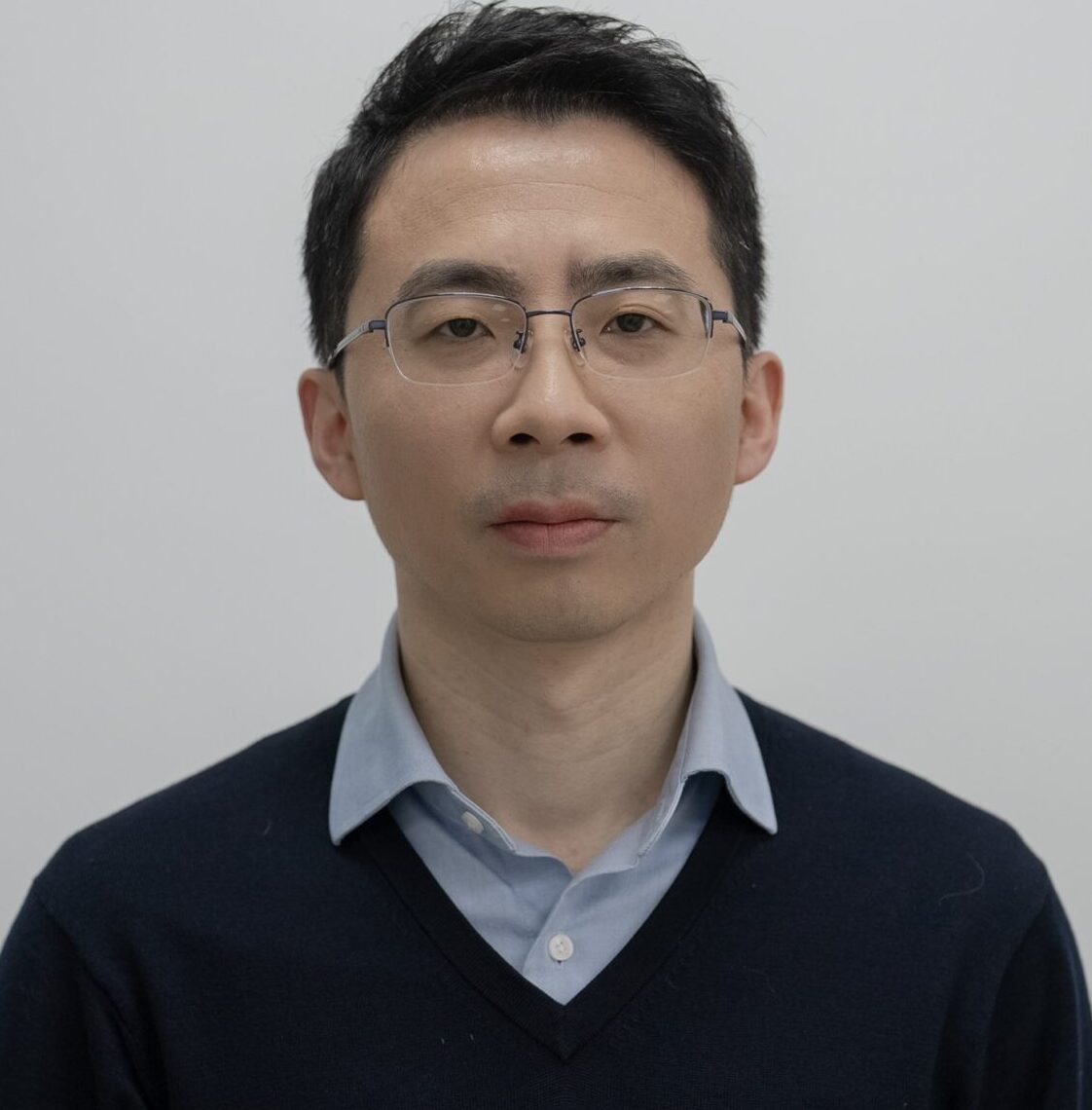
Panelist

Image of Greg Liang, MD, MSc

Greg Liang, MD, MSc

Greg Liang, MD, MSc, graduated from Bethune Medical University and Chinese Academy of Medical Sciences, majored in nuclear medicine and biochemistry, and worked for several biotech companies in the U.S. Liang has over thirty years’ experience in monoclonal antibody development, immunoassays method and product development, antibody and conjugated drug development, and cell therapeutic drug development. Since 2017, he has led a team that built up a comprehensive ChemPartner ADC conjugation and development team, also coordinated work with the linker-payload, antibody discovery, immune oncology, DMPK, and CMC teams, and established an integrated XDC development service platform.

Image of Hu Liu, PhD

Hu Liu, PhD

Senior Director
Biologics Discovery

Panelist

Image of Hu Liu, PhD

Hu Liu, PhD

Hu Liu holds a PhD in molecular immunology from China Agricultural University and is a scientific leader in immunology and oncology, with extensive experience in both academic and industrial settings. Currently serving as senior director at Shanghai ChemPartner, Hu has successfully led teams and managed over 100 integrated antibody discovery projects, significantly contributing to the development of multiple new antibody platform capabilities over the past decade. Many of the projects he has been involved in have progressed to late-stage clinical development.

Broadcast Date: 
  • Time: 

Antibody–drug conjugates (ADCs) have redefined targeted oncology. Yet resistance, tumor heterogeneity, and off-target toxicity continue to limit therapeutic index and long-term durability. As ADCs advance into earlier lines of treatment, smarter molecular design and tighter translational integration are becoming essential to clinical success.

In this GEN webinar, ChemPartner experts Philip Clarke, PhD, Hu Liu, PhD, and Greg Liang, MD, will share practical, data-driven strategies for engineering next-generation ADCs with enhanced efficacy, improved safety, and reduced developmental risk. Drawing on real-world case studies from HER2- and TROP2-targeted programs, they will demonstrate how rational ADC design and integrated preclinical platforms can expand the therapeutic window while improving translational predictability. Key takeaways include:

  • Multi-targeting precision: How trispecific, bispecific, and biparatopic antibodies can enhance tumor selectivity, increase internalization and binding avidity, and address tumor heterogeneity.
  • Next-generation linker technology: An overview of the C2.LP double-cleavage linker system, engineered to improve in vivo stability and minimize premature payload release and off-target cytotoxicity.
  • Overcoming resistance with dual-payloads: Strategies for leveraging dual-payload ADC designs to target complementary cellular pathways and circumvent resistance mechanisms.
  • Translational predictability: How integrated in vitro and in vivo platforms enable more confident decision-making from early discovery through IND submission.

This session is designed for oncology R&D leaders, ADC discovery scientists, and translational research teams seeking differentiated platform approaches to accelerate next-generation ADC development.

A live Q&A followed the webinar offering a chance to pose questions to our expert panelists.

Produced with support from:

ChemPartner logo