Genetic Engineering and Biotechnology News

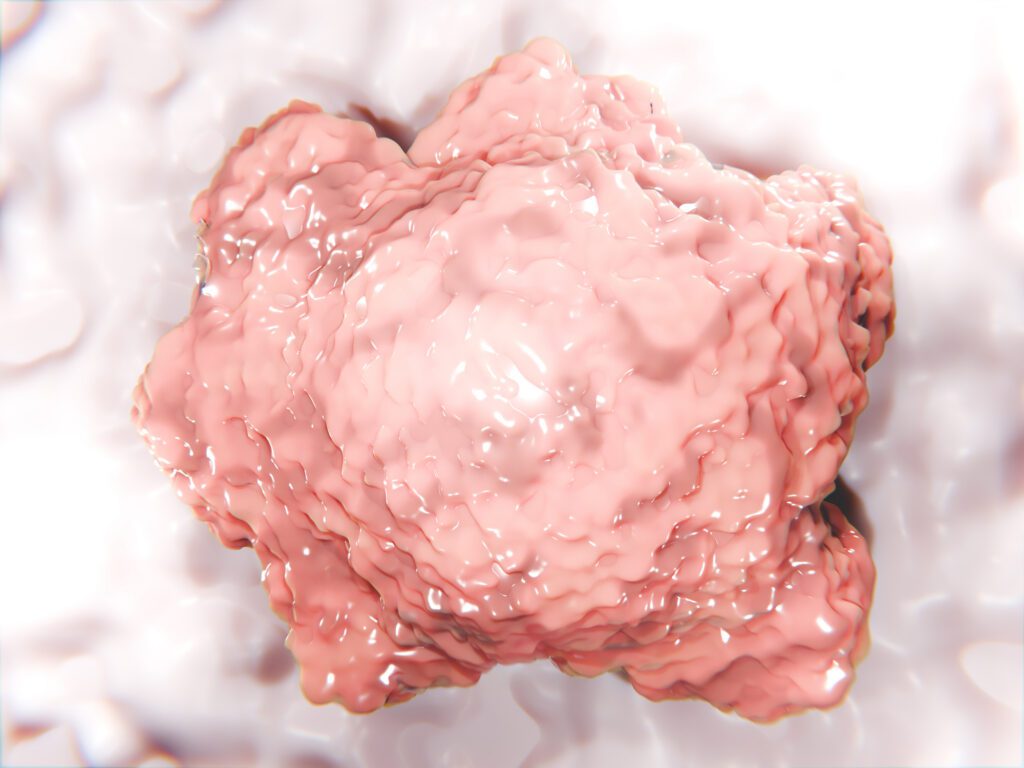
Organoid tissue. Organoids are miniaturized versions of an organ produced in vitgro.

Advancing Brain Organoids from Research Models to Scalable Platforms

Credit: selvanegra / iStock / Getty Images Plus

Panelists:

Image of Ali Strtak, PhD

Ali Strtak, PhD

Product Manager, Organoids
Bio-Techne
Panelist

Image of Ali Strtak, PhD

Ali Strtak, PhD

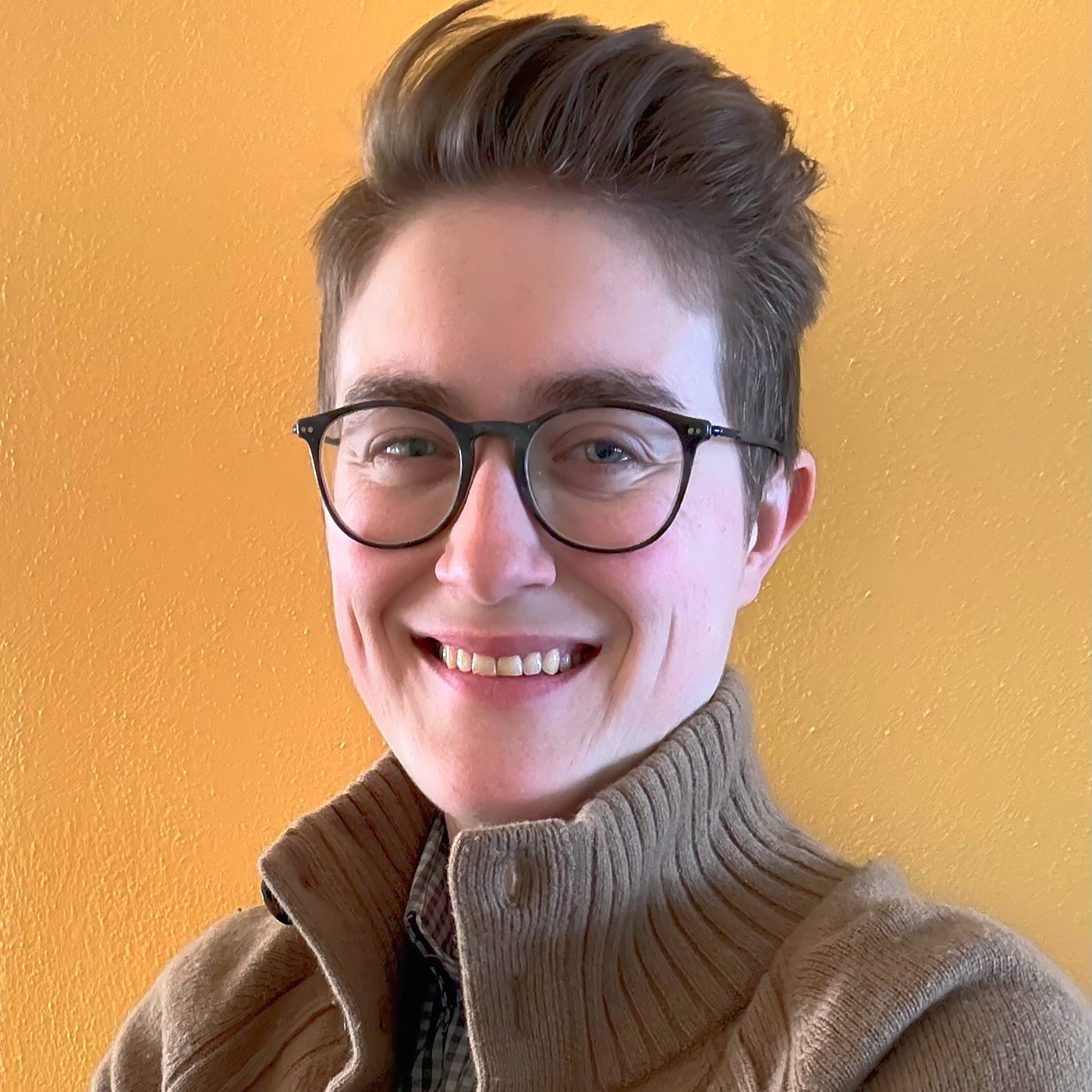
Ali Strtak, PhD, is product manager for organoids at Bio-Techne. Ali earned her PhD studying the mechanisms of enteric viral infections, using intestinal organoid models to understand how nonstructural viral proteins co-opt host pathways and boost replication, and how that, in turn, translates to the physical manifestations of disease. She published the first functional characterization of a virally encoded calcium ion channel in the Caliciviridae family. Optimizing culture conditions as well as calcium imaging protocols for that work gave her firsthand experience with how culture variability and reagent selection underpin and undermine reproducibility in organoid models. In her current role, she focuses on standardizing organoid culture to make the model more consistent experiment over experiment and more accessible to all researchers interested in getting into organoids, regardless of prior 3D culture expertise.

Image of Fikri Birey, PhD

Fikri Birey, PhD

Assistant Professor, Department of Human Genetics
Emory University School of Medicine

Panelist

Image of Fikri Birey, PhD

Fikri Birey, PhD

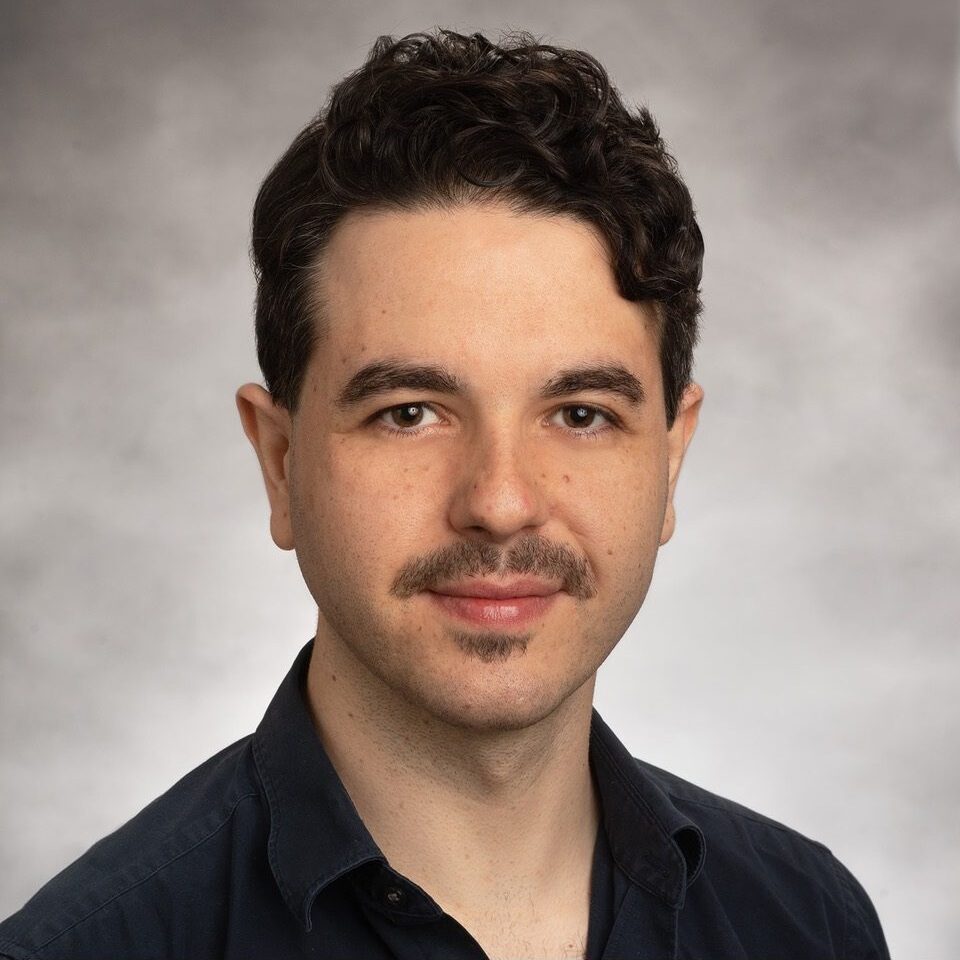
Fikri Birey, PhD, is an assistant professor in the Department of Human Genetics at Emory University School of Medicine, where he leads a research program focused on uncovering the molecular and cellular mechanisms of human brain development and neurodevelopmental disorders. His lab employs stem cell-derived brain organoids and assembloids to model disease-relevant processes, with particular emphasis on disorders such as autism, epilepsy, and schizophrenia. Birey completed his PhD in genetics at Stony Brook University and postdoctoral research at Stanford University in the laboratory of Sergiu Pasca, MD, where he built the first assembloid platform and applied it to uncover previously inaccessible disease phenotypes and nominate novel therapeutics in Timothy syndrome. He also co-founded the Brain Organoid Hub at Emory, which serves as a central resource for scalable and standardized human brain organoid research. Through this work, Birey aims to bridge basic neurobiology with therapeutic discovery, advancing precision medicine for complex brain disorders.

Broadcast Date: 
  • Time: 

Brain organoids and other non-animal models (NAMs) have created new opportunities to study brain development and disease as well as to evaluate potential therapeutics in biologically relevant systems. There are, however, still challenges with variability in organoid generation, reagents, culture conditions, and analytical methods that limit reproducibility, standardization, and broader adoption. Furthermore, complex, labor-intensive workflows can also create operational challenges when researchers attempt to increase throughput or scale production for larger studies.

In this GEN webinar, our expert panelists will discuss some of the scientific and practical barriers that are facing brain organoid research and strategies for improving organoid-to-organoid and experiment-to-experiment consistency. During the conversation, they will offer strategies for managing reagent and vendor variability, simplifying multi-step workflows, and selecting appropriate controls and analytical methods. They will also discuss emerging culture systems, automation and analysis technologies, and ways to support more standardized, scalable, and reliable applications of brain organoids.

A live Q&A session will follow the presentation offering you a chance to pose questions to our expert panelists.

Produced with support from:

R&D Systems logo